
A pump that runs too weakly leaves your fountain with only a sad trickle of water emanating from it. One that pushes too much water creates splashing, unwanted noise, and a wet patio. Getting the size right matters more than most people realize. This guide breaks down what to look for in a small pump for a fountain without all the technical talk. The goal is simple. Match your pump to your fountain so the water moves the way you want it to.
What Counts as a Small Pump
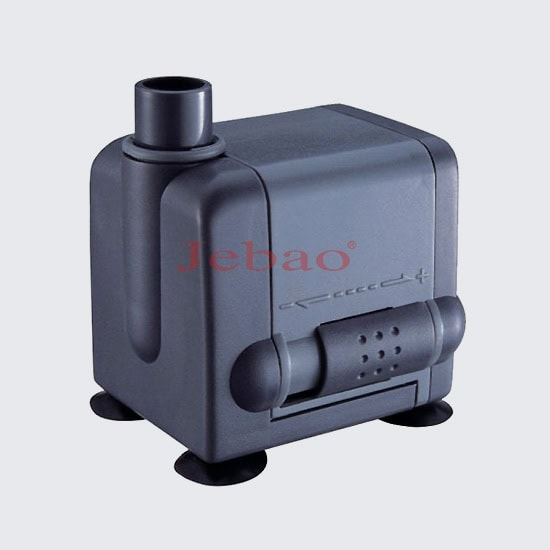
Small pumps for a fountain usually fall in the range of 50 to 400 gallons per hour. Anything below that tends to be for tiny tabletop setups. Anything above starts moving into the pond and large feature territory.
Most people shopping for a small pump are working with:
- Tabletop fountains
- Birdbath fountains
- Wall-mounted features
- Small statuary or container fountains
- Disappearing fountains with small reservoirs
Each one has different needs. The size of your basin matters less than you might think. The flow rate and lift height matter more.
GPH: The Number That Actually Matters
GPH stands for gallons per hour. It tells you how much water the pump moves in 60 minutes at zero lift.
Here is a quick reference for matching GPH to fountain type:
- Small tabletop fountain: 40 to 80 GPH
- Birdbath fountain: 50 to 100 GPH
- Wall fountain under 24 inches tall: 100 to 200 GPH
- Container or urn fountain: 100 to 300 GPH
- Small disappearing fountain: 200 to 400 GPH
These numbers are not gospel. The width of your fountain spillway also plays a part. A wide sheet of water needs more flow than a narrow spout, even if the height is the same. As a rule, plan for about 100 GPH per inch of spillway width if you want a steady, even sheet.
Head Height Changes Everything
Head height is the vertical distance the pump pushes water from the surface of the reservoir to where the water comes out. This is where a lot of buyers get caught off guard.
Pumps lose flow as they push water higher. A pump rated at 200 GPH might only deliver 120 GPH at two feet of lift, and almost nothing at four feet.
Always check the pump’s flow chart, sometimes called a pump curve, before buying. It shows the GPH at different lift heights. If the chart is not in the box, look it up on the manufacturer’s site.
Quick tip. Add the height of your fountain plus the length of any horizontal tubing run, divided by ten. That gives you a rough total head to plan around.
Tubing Size and Fittings
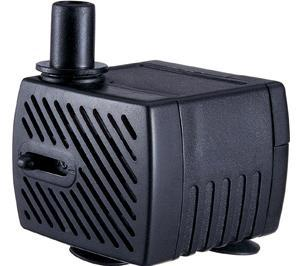
A small pump can be choked by the wrong tubing. Most small fountain pumps use 1/4 inch, 3/8 inch, or 1/2 inch tubing. The pump usually comes with stepped fittings that fit several sizes.
Going too narrow restricts flow. Going too wide can cause weak output if the pump cannot fill the larger tube. Match the tubing to what the pump was designed for, then trim it to the shortest practical length.
Submersible or Inline
Most small fountain pumps are submersible, meaning they sit underwater inside the basin. They run quietly, install fast, and use the surrounding water for cooling.
Inline pumps sit outside the water and are more common in larger setups. For most small fountain projects, a submersible pump is the practical choice. They cost less, install faster, and run quieter when fully submerged.
Common Sizing Mistakes
Some patterns show up again and again with small fountain pumps:
- Buying based on tank size alone, not flow
- Ignoring head height entirely
- Choosing the cheapest pump and replacing it within a season
- Using tubing that is too long kills the flow
- Picking a pump that is too powerful, which causes splashing and water loss
That last one is more common than you might guess. A fountain that splashes outside the basin will empty itself in a day or two during warm weather, and a dry pump burns out fast. Buying twice is the price of guessing once.
Maintenance Keeps the Size Honest
Even the right-sized pump fails fast without care. Mineral buildup, debris, and algae can cut flow in half within weeks.
A few habits help:
- Rinse the intake screen weekly during peak season.
- Soak the impeller in white vinegar every month or two.
- Top off the reservoir before it runs low
- Pull the pump indoors during freezing weather.
A clean pump performs at its rated GPH. A clogged one performs like a smaller pump, which is perhaps the most common reason people think they bought the wrong size.
See also: E-Commerce Growth with an Automated UV DTF Gangsheet Builder
Picking With Confidence
Sizing a small fountain pump comes down to three numbers. Flow rate, head height, and tubing diameter. Get those right, and the fountain runs the way it should, quiet, steady, and without surprises.
Pick a pump that matches the fountain you actually own, not the one you wish you had. Small features need small pumps, and a small pump matched well will outlast a big one stuffed where it does not belong.


 By
By