
A decade ago, planning a bathroom or kitchen makeover in Quebec meant clearing a Saturday, driving to a big-box store, and hoping the item you wanted was in stock. That routine has quietly shifted. More homeowners now compare tile, vanities, and flooring from their kitchen table, and the change runs deeper than simple convenience.
The numbers tell part of the story. Online spending on home improvement products has climbed steadily across Canada, and Quebec has followed the trend even in categories once considered too bulky or too tactile to buy without touching first. Ceramic tile, laminate planks, and bathroom fixtures are now routinely ordered online, delivered, and installed without the buyer ever setting foot in a showroom.
Why the warehouse model took hold
Part of the appeal comes down to structure. A traditional retailer carries the cost of large showrooms, extensive staff, and prime commercial real estate, and those costs land in the final price. An operation built around the Entrepôt de la Réno warehouse model keeps overhead lower by focusing on inventory and logistics rather than floor space, which often shows up as sharper pricing on the same categories buyers would find at a national chain.
Chains like RONA, Réno-Dépôt, and Home Depot Canada still dominate the physical landscape, and they serve a real need for shoppers who want to see a product before committing. But the online-first model answers a different question. It suits the buyer who already knows what they want, who values price transparency, and who would rather compare twenty vanities in a browser tab than walk three aisles hoping to spot the right one.
Transparency reshapes expectations
The biggest change may be psychological. When prices sit in plain view online, shoppers start to expect that clarity everywhere. They compare, they screenshot, they build spreadsheets. The old habit of accepting whatever the store shelf displayed has given way to active research.
This shift rewards suppliers who publish honest specifications. Dimensions, materials, finishes, and coverage per box become part of the buying decision rather than details discovered after unboxing. A homeowner ordering laminate for a living room can calculate exactly how many boxes the space needs, factor in a cutting allowance, and know the total before checkout. That precision was far harder to achieve when pricing lived only on a paper tag at the end of an aisle.
The categories that moved online fastest
Not every renovation product migrated at the same pace. Small, high-value items led the way. LED mirrors, faucets, and bathroom accessories were easy to ship and easy to compare, so they crossed the digital threshold early.
Flooring followed once buyers grew comfortable ordering by the box. Laminate and vinyl plank, sold in predictable quantities with clear coverage figures, suited online purchasing well. Ceramic tile joined once sample programs and detailed photography reassured shoppers about colour and texture.
Bathroom vanities and sinks arrived next. These larger pieces once seemed like showroom-only purchases, yet detailed dimensions and return policies eased the hesitation. Today a buyer can furnish an entire bathroom, from the vanity to the mirror to the shower panels, through a series of online orders coordinated to arrive together.
What buyers gain, and what they trade
The advantages are concrete. Lower prices, wider selection, and the ability to shop at midnight without pressure from a salesperson. A renovator juggling a full-time job appreciates being able to finalize choices after the kids are asleep rather than rushing through a store before closing.
There are trade-offs worth naming honestly. You cannot run your hand across a tile sample before it ships, and matching finishes across separate orders takes care. Delivery of heavy items requires planning, and returns of bulky products can be more involved than a quick trip back to a counter. Smart buyers manage these realities by ordering samples first, reading specifications closely, and confirming return terms before committing to a large purchase.
Planning a project around online sourcing
The homeowners who get the most from this model treat it like a procurement exercise. They map out every material the project needs, from subfloor membrane to the final accessory, then source each piece deliberately. This approach reduces the mid-project scramble that happens when a forgotten item halts progress.
Sequencing matters too. Ordering flooring and tile early, while lead times are still comfortable, prevents delays once the demolition begins. Fixtures and finishes can follow, timed to arrive as the installation reaches each stage. A little scheduling turns a scattered set of purchases into a smooth supply chain for a single project.
What the change means for local tradespeople
The shift has not only affected homeowners. Independent installers, tilers, and handypeople have adapted their businesses around clients who arrive with materials already chosen and purchased. A generation ago, the contractor often controlled the entire supply chain, marking up materials as part of the job. Today many clients prefer to buy their own flooring and fixtures, leaving the tradesperson to focus on labour and expertise.
This arrangement can benefit both sides when handled well. The homeowner captures the savings of buying direct, and the installer avoids the hassle and liability of sourcing. It does require clearer communication, since the tradesperson needs to confirm that client-supplied materials are correct, complete, and suitable before work begins. A missing box of tile or an incompatible mortar discovered mid-job creates friction that nobody wants.
The most successful tradespeople have embraced the change rather than resisting it. They advise clients on what to order, flag common purchasing mistakes, and position themselves as skilled labour rather than material middlemen. In a market where buyers increasingly research and buy online, that adaptability has become a competitive advantage rather than a threat.
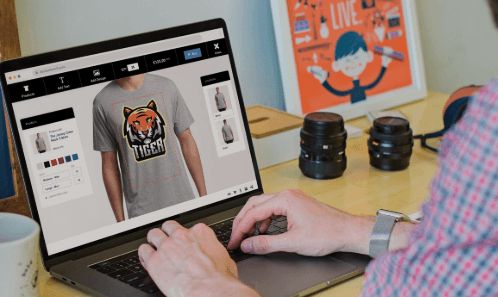
See also: E-Commerce Growth with an Automated UV DTF Gangsheet Builder
A durable shift, not a passing trend
The move toward online renovation supply is not a pandemic-era blip that faded once stores reopened. It reflects a lasting change in how people research, compare, and buy. The convenience proved real, the savings proved consistent, and the habit stuck.
Physical stores are not going anywhere, and many projects still benefit from a showroom visit or expert advice at a counter. But the balance has tilted. For a growing share of Quebec homeowners, the first step of any renovation now happens on a screen, comparing options and prices before a single tool comes out of the box. That quiet change has made renovating more transparent, more flexible, and often more affordable than it was a generation ago. For the buyer willing to plan a little and compare a little, the modern renovation market offers more control than any showroom ever did, and that control, more than the savings alone, is what has made the habit permanent.


 By
By