
Reviewed by a licensed speech-language pathologist
Quick answer: A speech companion like Buddy is a friendly on-screen character that invites a child to talk through play. It stays calm no matter how many tries a child needs, which suits many neurodivergent kids. It supplements speech therapy with easy daily practice at home. It does not replace a clinician.
Anyone who has coaxed a reluctant talker knows the hard part is not the words. It is the mood in the room. A tired child senses a parent’s hope, hears a sigh, and shuts down. That is where the idea of a patient speech companion comes in. A character that never rushes, never groans, and never looks disappointed can take some of that pressure out of practice. This article looks at what a companion like Buddy actually offers, where it fits, and where it does not.
What is a speech companion, and what is Buddy?
A speech companion is a friendly character inside a speech app that talks to a child, plays games, and invites the child to talk back. Buddy is that kind of character: a warm, cartoon-style guide who asks for a word or a sound, waits, and celebrates whatever the child gives. The appeal is emotional as much as technical. A child who is nervous about being corrected can practice with a companion that responds the same gentle way on the first try and the twentieth.
These tools usually center on voice. The child speaks, the app listens, and the companion reacts with encouragement. That voice-first design is what separates a companion from a tapping or matching game, and it is why parents searching for a buddy speech app are often looking for spoken practice rather than silent screen time.
Why does “never gets frustrated” actually matter?
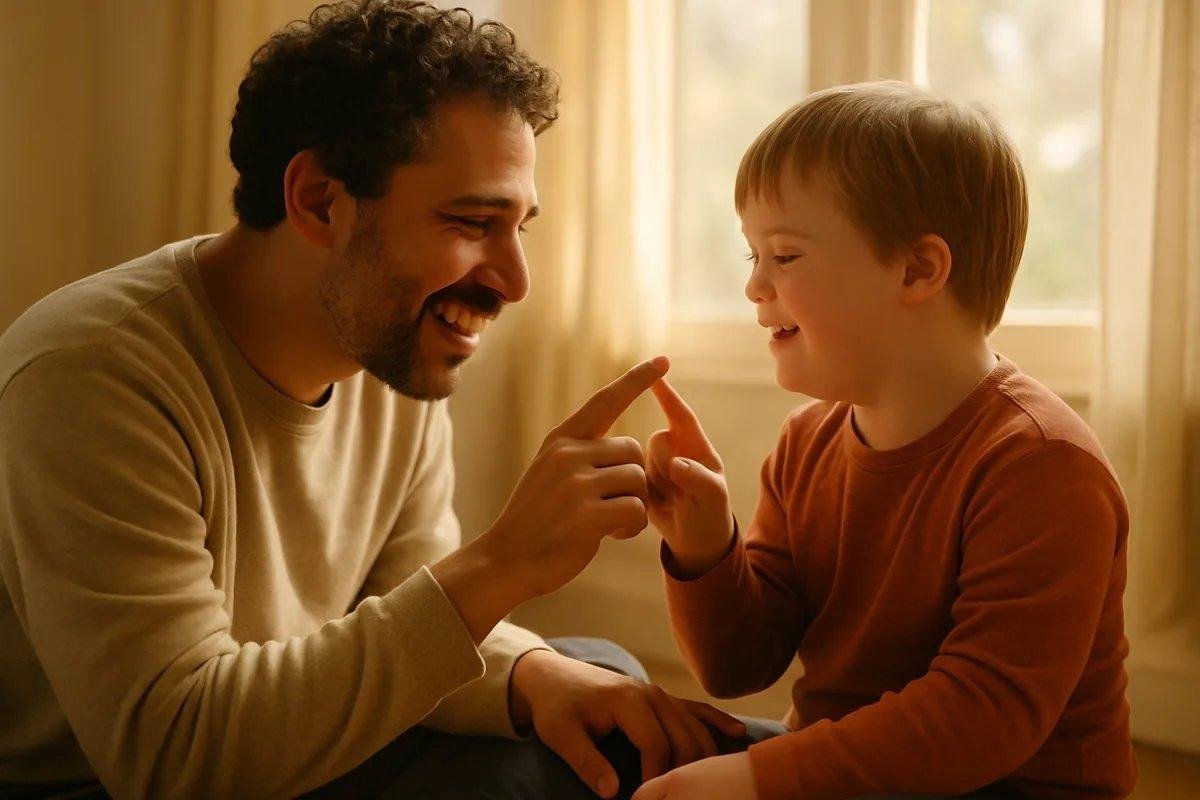
Frustration is contagious. When practice feels like a test, many children stop trying, and neurodivergent children in particular may find visible impatience overwhelming. A companion that stays even keeps the emotional temperature low. The child can miss a target, try again, and still get the same friendly response, which protects the willingness to keep going.
The Autistic Self Advocacy Network stresses that communication support works best when it respects a child’s pace and comfort rather than pushing for performance. A calm companion fits that idea. It is not that the character is smarter than a parent. It is that it can repeat itself endlessly without the small signs of strain that a child reads instantly.
How does a companion app fit alongside therapy?
A speech companion is practice, not treatment. A speech-language pathologist evaluates a child, sets goals, and adjusts the plan over time based on what they observe. An app cannot do any of that. What it can do is add repetition between sessions, when the clinician is not in the room and the parent is busy with the rest of the day.
That matters because a weekly therapy visit is a small slice of a child’s week. The learning tends to stick when practice is spread across ordinary days. A companion app can carry some of that daily load in a way that feels like play rather than homework. The American Academy of Pediatrics encourages families concerned about language to seek professional evaluation and support, and a home tool works best inside that plan rather than instead of it.
What should parents look for in a buddy speech app?
Not every app that features a cute character helps with talking. A few things separate a genuine speech companion from a dressed-up game. First, is it voice-first? The child should be speaking, not only tapping. Second, is the tone forgiving? A good companion celebrates effort and does not punish misses. Third, are the sessions short and playful, so a child can stop before frustration sets in?
Fit matters more than features. Some children love a chatty character; others find it too much. A parent watching the first few sessions learns quickly whether the child leans in or pulls away.
Among the voice-first options built on this idea, Little Words uses a play-based companion to give a child low-pressure daily speaking practice a parent can start at home, which can complement the goals a speech-language pathologist is already working on. As with any such tool, it is a supplement to therapy rather than a replacement, and it works best kept short, light, and positive.
Is a companion app right for a neurodivergent child?
It depends on the child. Many neurodivergent kids do well with a predictable companion that behaves the same way every session, since that consistency lowers anxiety and makes each turn feel safe. Others may find a talkative character or bright sounds overwhelming, and for them a quieter setup or a different approach may work better. Resources such as Understood.org describe how the same support can land very differently across children, so watching the child’s actual response beats following a rule.
The Centers for Disease Control and Prevention encourages parents who have concerns about a child’s speech to act early rather than wait, and a home tool can be a comfortable first step into daily practice while an evaluation is arranged.
Key takeaways
- A speech companion like Buddy is a friendly character that invites a child to talk through play and stays calm no matter how many tries it takes.
- The patient, unchanging response is the point, since visible frustration is what shuts many children down.
- A buddy speech app is a supplement to therapy, adding daily practice between sessions, not a replacement for a clinician.
- Look for voice-first design, a forgiving tone, and short playful sessions, and watch how the individual child responds.
- For neurodivergent kids especially, fit varies, so follow the child’s comfort rather than a fixed formula.
Frequently asked questions
What is a speech companion like Buddy?
It is a friendly on-screen character in a speech app that invites a child to talk through games and simple prompts. The point is repeated, low-pressure speaking practice that stays patient no matter how many tries a child needs.
Can a buddy speech app replace speech therapy?
No. A companion app is a supplement that adds practice between sessions. A speech-language pathologist sets goals, tracks progress, and adjusts the plan, which an app cannot do.
Why does a patient companion matter for neurodivergent kids?
Many neurodivergent children practice best when there is no rush and no visible frustration. A companion that responds the same calm way every time can lower anxiety and keep a child willing to try again.
At what age can a child start using a speech companion?
Most play-based apps target toddlers and preschoolers, roughly ages two to six, but the right fit depends on the child’s attention and interest rather than a fixed age. A short session with a parent nearby works best early on.
How much daily practice with a speech app is enough?
Short and consistent beats long and occasional. A few minutes a day, kept playful, tends to help more than a long session that ends in tears or boredom.
Sources
- Autistic Self Advocacy Network (autisticadvocacy.org)
- Centers for Disease Control and Prevention: Developmental Milestones (cdc.gov)
- American Academy of Pediatrics (HealthyChildren.org) (healthychildren.org)
- Understood.org: Neurodivergent Learning and Parenting (understood.org)
- American Speech-Language-Hearing Association: Speech and Language Developmental Milestones (asha.org)


 By
By