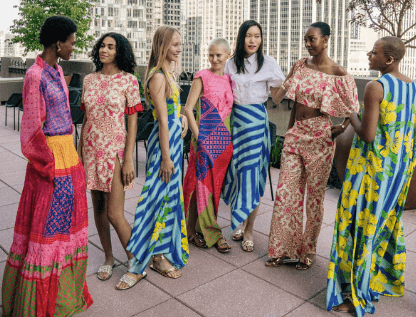

Climate-adaptive clothing innovations fuse textiles engineered to respond to environmental conditions and wearer needs, enabling real-time changes in insulation, breathability, and moisture management. Through phase change materials, dynamic insulation, and microstructured fabrics, these garments adjust to heat, cold, and activity. Data-driven insights guide design toward comfort, energy efficiency, and lifecycle durability. Interdisciplinary collaboration across materials science, ergonomics, and behavioral science informs scalable, user-friendly gear for work, recreation, and daily life, inviting continued exploration of practical applications and trade-offs.
What Exactly Is Climate-Adaptive Wear?
Climate-adaptive wear refers to textiles and garments engineered to respond to environmental conditions and wearer needs, adjusting properties such as insulation, breathability, moisture management, and ventilation in real time. The climate adaptive definition centers on responsive, data-informed systems that optimize comfort and efficiency. Temperature regulation tech enables adaptive cooling or warming, aligning performance with sustainable, interdisciplinary design and user freedom.
Key Technologies Driving Temperature Regulation
To support temperature regulation, several core technologies enable rapid, adaptive responses to environmental conditions. The discussion centers on textiles with phase change materials, dynamic insulation, and microstructured fabrics that enhance evaporative cooling. Data-driven assessments compare energy footprints, material lifecycles, and performance under varied climates. Two word discussion ideas: passive cooling, phase change. interdisciplinary insights guide scalable, freedom-enhancing design choices.
Practical Outfit Scenarios: From Work to Weekend
Practical outfit decisions across work and weekend contexts demonstrate how climate-adaptive garments translate into measurable comfort, productivity, and sustainability. In varied settings, data indicate cooling fabrics reduce heat strain while adaptive insulation maintains thermal neutrality across activities.
Interdisciplinary insights align ergonomics, materials science, and behavior change to optimize performance, reduce energy demand, and enable freedom of movement without sacrificing function.
How to Choose, Care For, and Evaluate Your Climate-Adaptive Gear
How can consumers reliably select, maintain, and assess climate-adaptive gear to maximize comfort, efficiency, and durability across shifting conditions?
Rigorous evaluation combines material science, lifecycle data, and user trials.
Climate adaptive fabrics enable adaptive insulation and moisture management, while performance layering optimizes thermal zones.
Care guides emphasize washing, airflow checks, and repairability, supporting durable, sustainable, freedom-enhancing gear across climates.
Frequently Asked Questions
How Durable Are Climate-Adaptive Fabrics in Harsh Conditions?
Durability varies; results show variable field performance under abrasive, moisture, and UV stress. Across studies, fabrics pass durability testing thresholds, yet performance depends on construction, coatings, and environmental exposure, guiding sustainable, data-driven material selection for freedom-seeking users.
What’s the Environmental Impact of Production and End-Of-Life?
In a satirical, data-driven snapshot, the environmental impact hinges on recycling streams and end of life policy, shaping lifecycle footprints. The interdisciplinary view shows production emissions, water use, and waste complexity, demanding transparent metrics for sustainable, freedom-seeking audiences.
Can Climate-Adaptive Wear Be Repaired or Recycled?
Climate-adaptive wear can be repaired and recycled, but faces recycling challenges and varying repair feasibility across materials. Data-driven, sustainability-focused analyses show interdisciplinary progress yet highlight systemic barriers, cultural shifts, and governance requirements necessary to enable broader, freedom-embracing, circular practices.
Do These Garments Affect Skin Sensitivity or Allergies?
Skin sensitivity and allergy risk vary with materials, coatings, and dyes; studies show cross-reactivity potential, breathable fabrics reduce irritation, while certain polymers elevate risk. Interdisciplinary data indicate careful formulation and durable testing support sustainable, freedom-oriented apparel choices.
See also: Social Tokens Explained
What Are the Cost-Benefit Considerations Over Time?
Balance emerges: cost-benefit analysis favors durable, adaptive garments with long term return through reduced energy, health, and replacement costs. Yet upfront investment and maintenance demand disciplined budgeting; interdisciplinary data supports sustainable value despite market volatility and consumer freedom considerations.
Conclusion
Climate-adaptive wear integrates sensors, phase-change materials, and dynamic insulation to modulate comfort across environments, reducing energy for heating and cooling. Data-driven testing links fabric behavior to activity profiles, supporting lifecycle sustainability and durability. By aligning ergonomics, behavior change, and material science, these garments enable resilient performance in work, recreation, and daily life. Like a chameleon of the wardrobe, they shift with climate demands, offering adaptable protection while minimizing environmental impact.


 By
By